Thriving in the Storm: What Every U.S. Wedding Pro Needs From Their China Factory Partner
Industry Insight · May 2026 · 12-minute read
The Numbers Behind the Pressure
The U.S. wedding market stands at $100 billion. Over 2 million couples married in the U.S. in 2025. The average wedding spend sits at $34,000, with each couple working with approximately 13 vendors. And yet — if you're a wedding planner, rental company, decor studio, or venue operator — you know the numbers don't tell the full story.
Costs are climbing. Client expectations are evolving faster than ever. The props that were booking solid last season are starting to look tired. And just when you've established a great supplier relationship, tariffs or shipping delays throw a wrench into everything.
This piece is for the professionals navigating that reality right now. We're a source-direct wedding prop manufacturer in China, and we wrote this because we've spent years studying the U.S. wedding B2B market — not to sell you something today, but to understand what you actually need from a factory partner.
01 — Who's on the Other Side of the Table: U.S. Wedding B2B Buyers
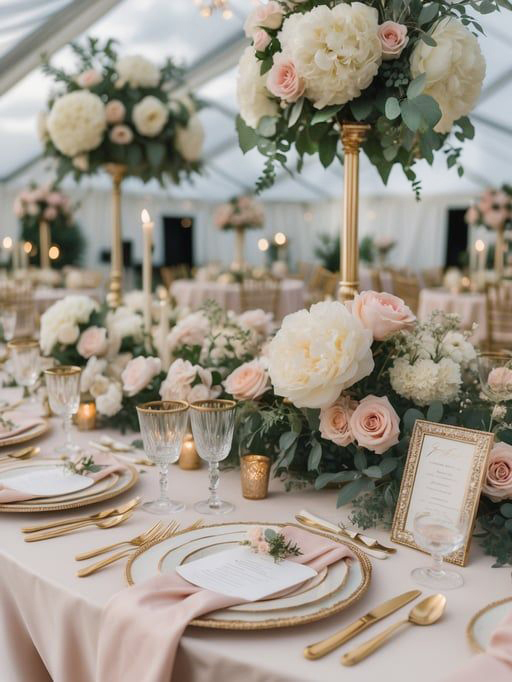
The U.S. wedding B2B ecosystem is not a monolith. It's a layered market with very different needs at each level.
Full-Service Wedding Planners
The top of the pyramid. They coordinate $50,000–$300,000+ events and expect every prop to photograph beautifully and perform flawlessly. They'll pay for quality, but they never forgive inconsistency between what they ordered and what arrived.
Event Rental Companies
The backbone of the industry. They buy to rent — repeatedly. Durability and price-per-use are everything. They need reliable reorder availability and hate surprises between sample and production batch.
Decor & Styling Studios
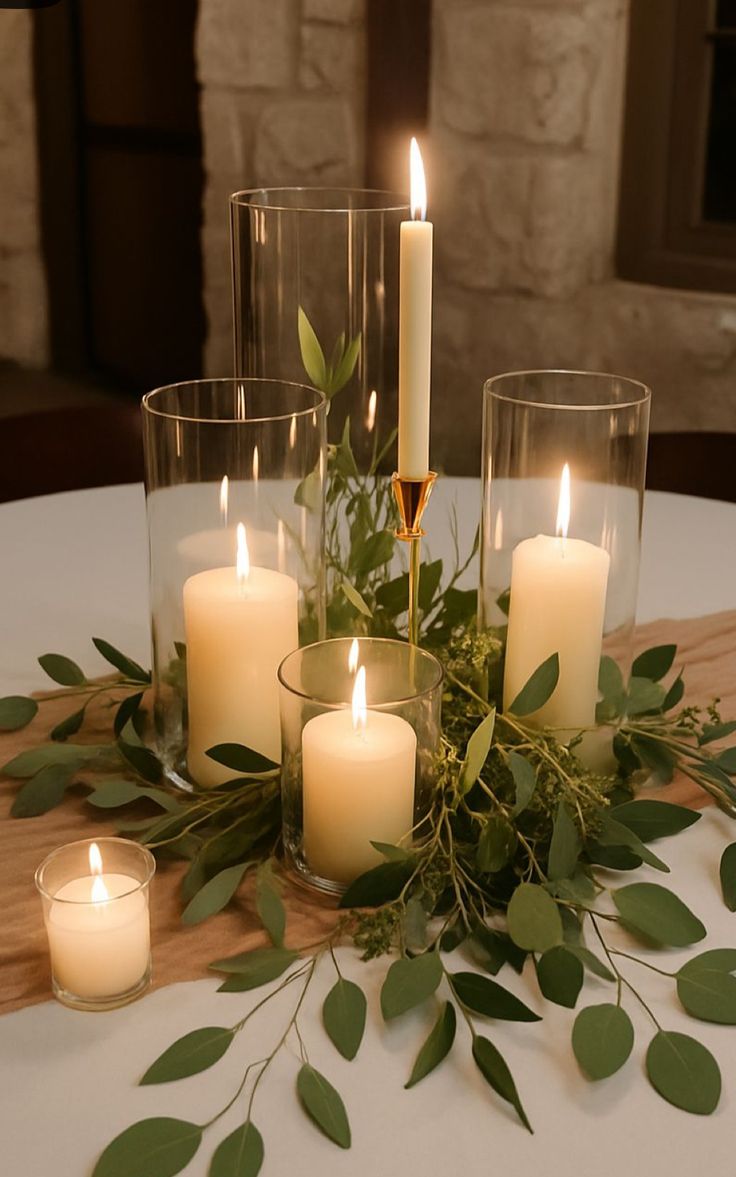
The tastemakers. They live on Pinterest and TikTok, and their clients expect breathtaking, content-ready setups. They need on-trend, photogenic pieces that keep their portfolio feeling fresh season after season.
Venues Building In-House Prop Libraries
As non-traditional venues boom — barns, industrial lofts, botanical gardens, historic estates — more venues are adding their own rental offerings. They want versatile pieces that photograph beautifully across wildly different aesthetics.
02 — What's Actually Trending in 2026 (And What It Means for Your Inventory)
Staying ahead of trends isn't just good aesthetics — it's your competitive edge.
Non-Traditional Venues Are Dominating
Ballrooms and barns are giving way to greenhouse gardens, industrial lofts, restaurants, and historic estates. Outdoor and unconventional venues now account for roughly 65% of all U.S. weddings. Props need to be versatile, weather-aware, and work across radically different spatial contexts — not single-setting showpieces.
Gen Z Is Rewriting the Rulebook
The fastest-growing wedding demographic is allergic to cookie-cutter. Gen Z couples research on Pinterest and TikTok, demand personalization, and expect your catalog to feel genuinely fresh. If your prop library looks like everyone else's, you're losing bookings to someone whose doesn't.
Pantone 2026: Cloud Dancer and the New Neutral Palette
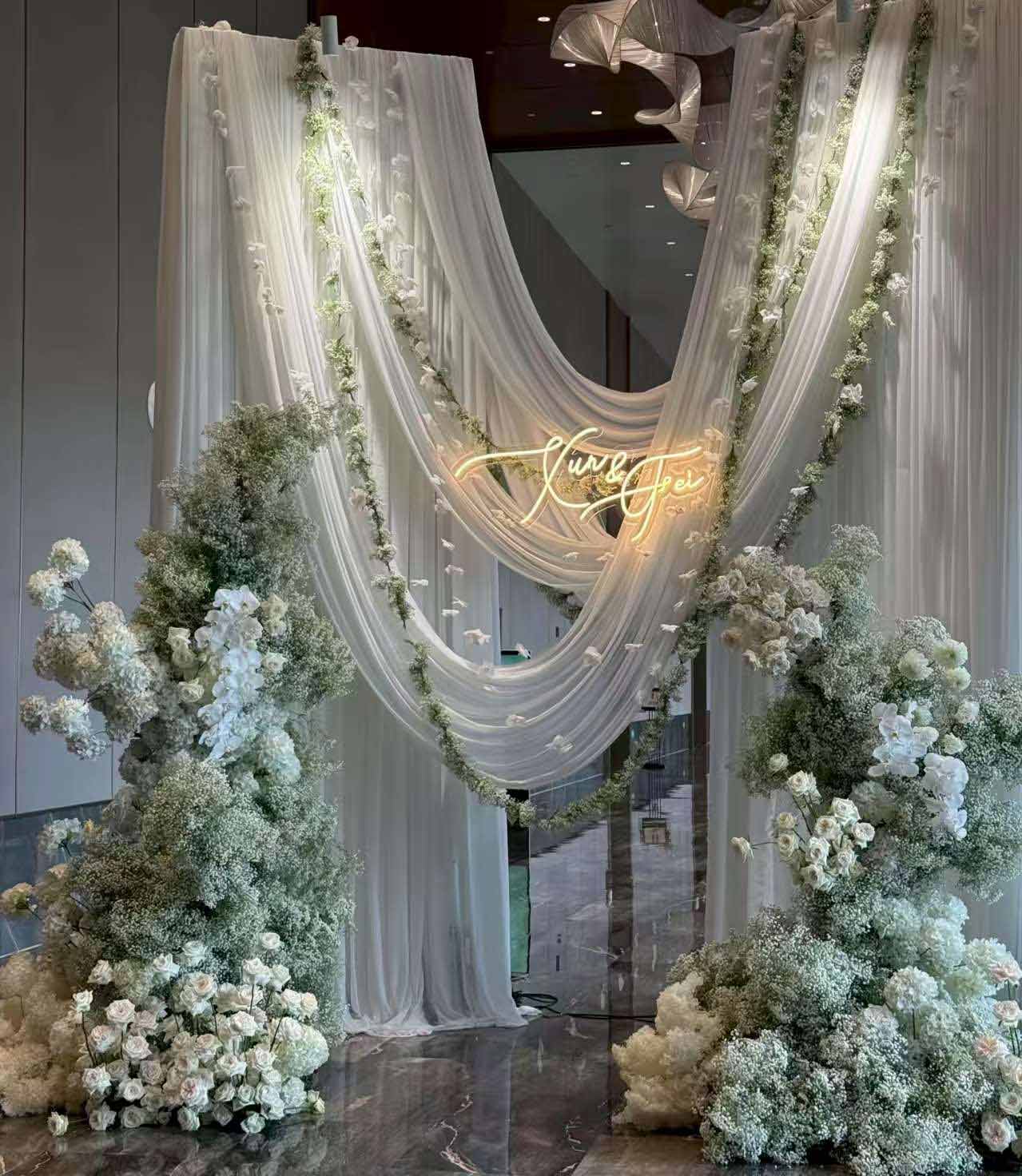
Pantone's 2026 Color of the Year, Cloud Dancer (PANTONE 11-4201), is driving a broader market move toward warm neutrals paired with rich pinks and earthy accents. B2B buyers who can source fully coordinated color systems — linens, candle pedestals, floral structures, escort displays — in a single palette will command higher average order values and stronger client retention.
Sustainability Is Now a Prerequisite
Eco-conscious couples are pushing their planners to vet suppliers for sustainability credentials. Recyclable materials, reduced single-use packaging, and product durability are no longer nice-to-haves — they're increasingly part of vendor selection criteria.
Experiential and Interactive Décor
Guests want to participate, not just observe. Photo opportunity moments, sculptural floral installations, ambient lighting experiences, and interactive neon elements are in high demand. Planners who can offer these environments are winning premium contracts.
03 — The Tariff Reality: Let's Talk About the Elephant in the Room
We're not going to pretend this isn't happening. Since early 2025, U.S. import tariffs — at times as high as 145% on Chinese goods — have been the defining supply chain story for the entire wedding industry. Even after subsequent adjustments, elevated costs and uncertainty remain real factors for every B2B buyer sourcing internationally.
The industry impact is measurable:
- Wedding budgets are projected to increase 10–15% in 2026–2027, driven largely by rising import costs on décor, textiles, and props
- An estimated 90% of U.S. wedding gowns are manufactured in China — showing how deeply embedded Chinese manufacturing already is in the bridal supply chain
- Even small items — table linens, candles, cake decorations — are affected, since many components are imported
- Tariffs have also caused supply chain delays, not just price increases — vendors are reporting longer lead times and less predictable delivery windows
Here's the counterintuitive truth many buyers haven't fully processed yet: tariffs don't make switching suppliers cheaper — they make it more expensive.
When every procurement dollar costs more, the true cost of supply chain disruption skyrockets. Discovering that a new vendor can't match quality, or can't deliver on time, or can't communicate clearly doesn't just hurt your margin — it risks your reputation with clients who trusted you. The rational response isn't to scramble for alternatives. It's to lock in the right factory partner now.
"Tariffs will permanently raise the price floor for many imported wedding products, especially décor and rentals made overseas, paper goods, and specialty imported floral varieties. This means planners must budget differently, and clients may need to shift expectations on what's achievable within their price range."
— Industry analysis, 2025–2026
04 — The Five Pain Points U.S. Wedding Pros Never Talk About (But Always Feel)
1. Sample-to-Production Inconsistency
You flew to a trade show. You fell in love with a piece. You placed a substantial order. The goods arrived — and the color was off, the finish rougher, the proportions slightly different. This is one of the most common and most damaging experiences U.S. buyers have with overseas manufacturers. It erodes trust irreparably and costs you client-facing credibility you can't afford to lose.
2. MOQ Structures That Don't Match Your Market
A boutique wedding studio doesn't need 500 units of anything. They need six arch frames in two sizes, a dozen candle pedestals, and eight acrylic signage stands. Traditional factory MOQ requirements force buyers into impossible choices: overbuy and blow your cash flow, or go through a middleman and pay a 25–35% markup for the privilege. Neither is a good option.
3. Trend Response Time Measured in Seasons, Not Weeks
TikTok can make a prop style go viral in 72 hours. Traditional manufacturing-to-delivery cycles take 4–6 months. The brands winning in this environment aren't the ones reacting fastest in the moment — they're the ones with factory partners who anticipate trends before they peak and hold relevant inventory ready to ship.
4. Communication That Falls Into a Void
Time zones are real. Language barriers are real. So is the experience of sending an urgent email and receiving silence for four days. U.S. buyers consistently report that responsive, English-fluent communication is worth paying a meaningful premium for — because the alternative is an anxiety-inducing guessing game about whether your order even started production.
5. Fragmented Sourcing With No Visual Cohesion
Your French countryside theme requires a floral arch from one factory, table runners from another, candle holders from a third, and acrylic signage from a fourth. By the time everything arrives, the whites don't quite match, the gold tones clash subtly, and the quality differential is visible in photos. This is solvable — but only if your supplier thinks in complete design systems, not individual SKUs.
05 — What a True Factory Partner Looks Like: Our Solution Framework
Themed Collection Bundles — Buy a System, Not a Product
We curate complete, color-coordinated prop systems around each season's dominant themes. A Cloud Dancer Minimalist Luxe bundle includes the arch frame, pedestals, table runners, acrylic signage, and coordinating textiles — all color-matched, all from the same production run, all photographing cohesively. This simplifies your procurement, elevates your client presentations, and increases your average order value without the fragmented sourcing headache.
Trend Intelligence Briefings — 3–6 Months Ahead
We track Pinterest search surges, The Knot trend reports, Pantone color forecasts, and Instagram aesthetic shifts. Every quarter, we share a curated trend briefing with our B2B partners — not to sell immediately, but to help you plan smarter, stock the right pieces before demand peaks, and walk into client meetings with a vision that feels ahead of the curve.
Flexible Mixed-SKU Ordering — MOQ That Matches Your Reality
Our order structure is built around total order value, not per-SKU minimums. Mix styles, finishes, and product categories within a single order. A boutique planner gets the same factory-direct access as a large rental company — with inventory that actually fits their needs, not what our minimums dictate.
Strategic Inventory Holding — Ready When Demand Spikes
For established partners, we co-develop quarterly inventory plans based on your historical ordering patterns and our trend forecasting. We pre-produce or hold semi-finished inventory on our production floor. When a style you need goes viral, your lead time is 7–15 days — not four months. That's what "fast to market" actually means at the manufacturing level.
Dedicated English-Speaking Account Managers
Every B2B partner has a single named contact who owns their account — from sample confirmation through production monitoring, quality control sign-off, and freight tracking. They operate across U.S. time zone hours. You get responses, not silence. You get proactive updates, not radio silence that forces you to chase. This sounds basic. In our industry, it's genuinely rare.
A Direct Message to Every U.S. Wedding Professional Who's Been Let Down Before
We've read the forums. We've heard the trade show conversations. We know that "reliable China factory" sometimes feels like an oxymoron to American buyers who've been burned by quality inconsistency, communication blackouts, or that sinking feeling when a shipment arrives and the goods don't match the sample.
We also know the math of your business better than most overseas suppliers do. You're not buying for yourself — you're buying to deliver on a promise to clients who are spending the most significant money of their lives on a day that can never be redone. Every piece you source is a commitment you're making to a couple who trusts you completely. That's a different kind of pressure than most manufacturers ever stop to think about.
The tariff environment has made sourcing harder. But it's also made the value of the right factory relationship clearer. When costs are higher, the margin for error shrinks. When supply chains are unpredictable, consistency becomes your biggest competitive asset.
We built our operations around giving you exactly that: consistency, transparency, and a partner who understands what's at stake on both sides of the ocean.
If you've made it this far, you're the kind of buyer we want to work with — someone who thinks strategically, not just transactionally.
Ready to see the difference?
Request our 2026 Wedding Trend Lookbook — curated prop collections, coordinated color palettes, and bundle pricing built specifically for U.S. B2B buyers.


 Get Wholesale Pricing